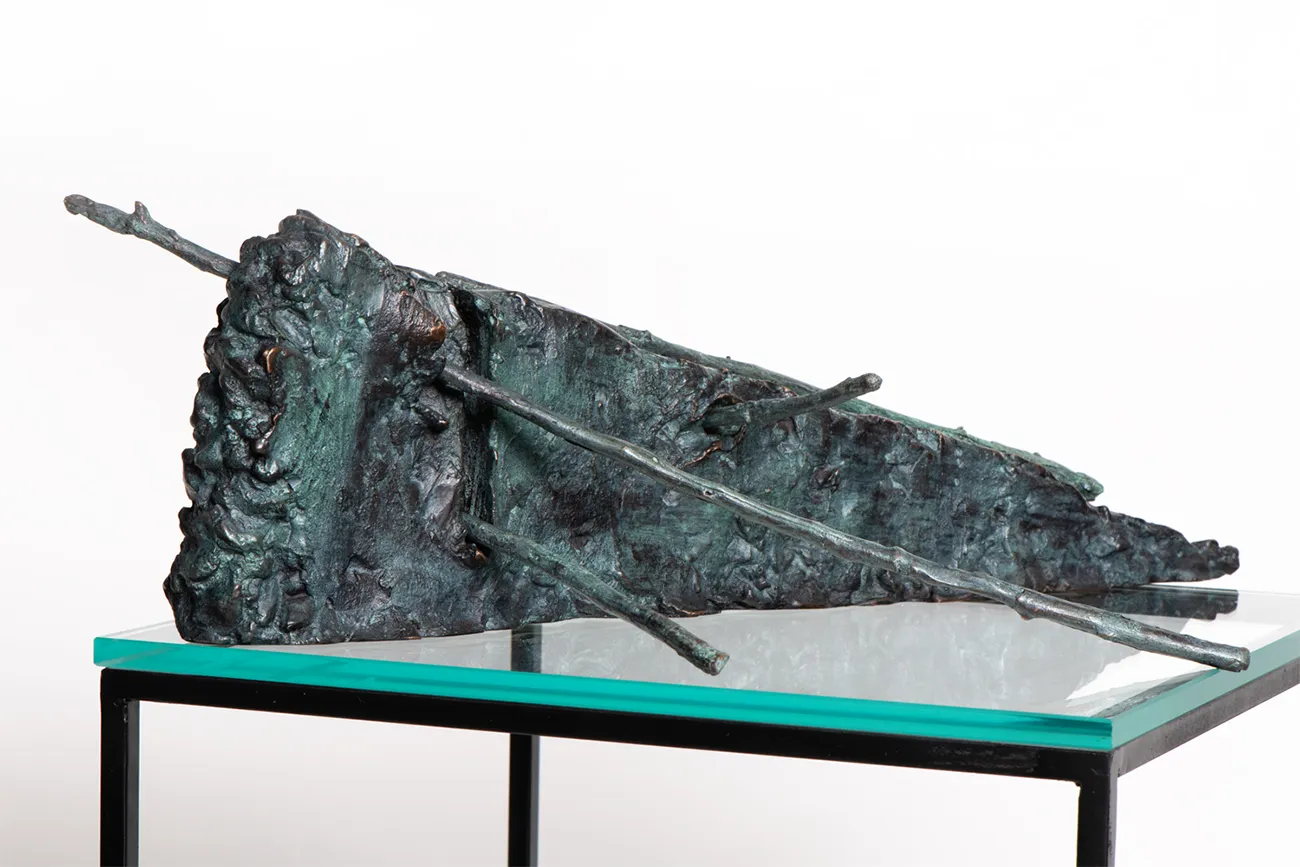
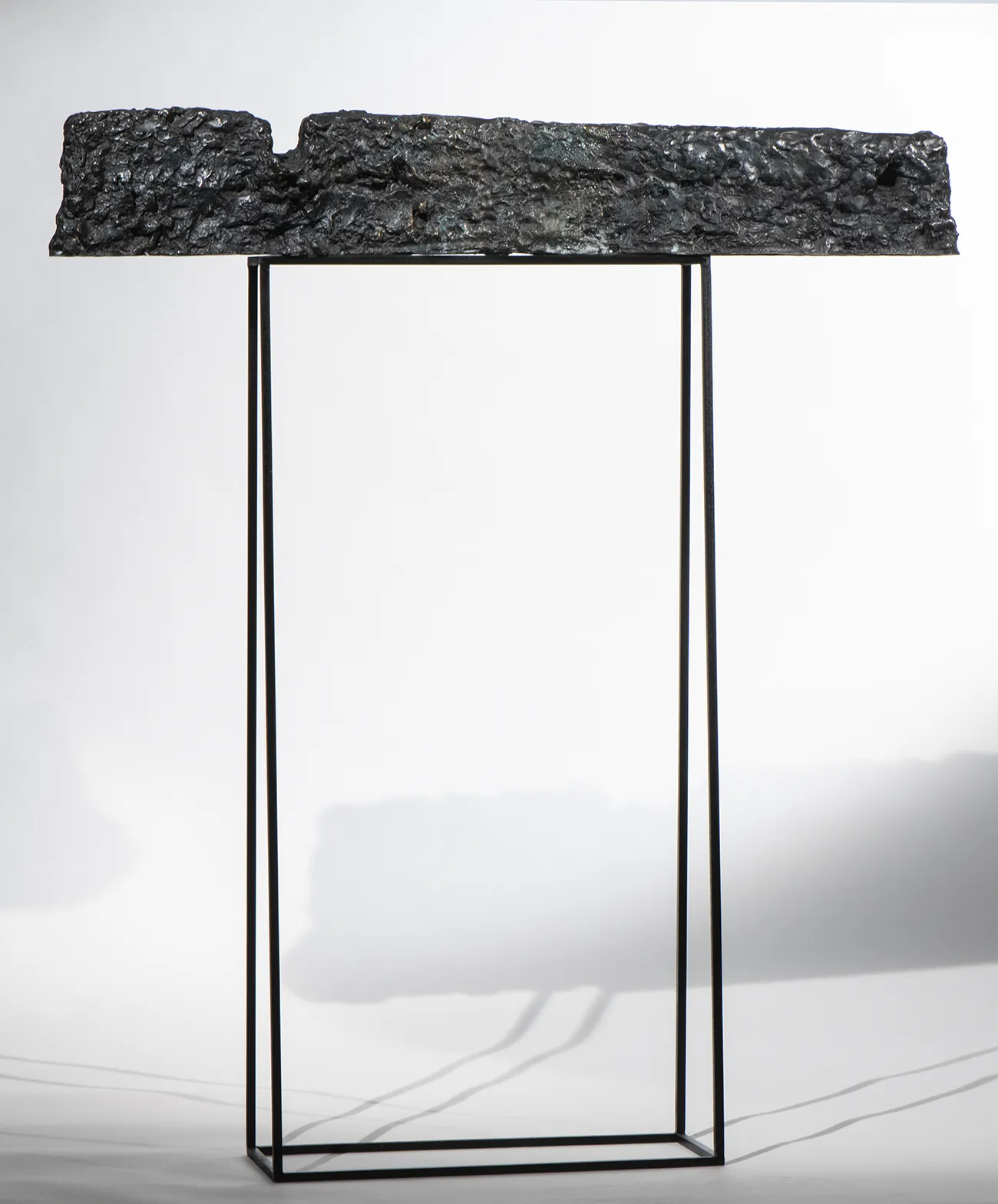
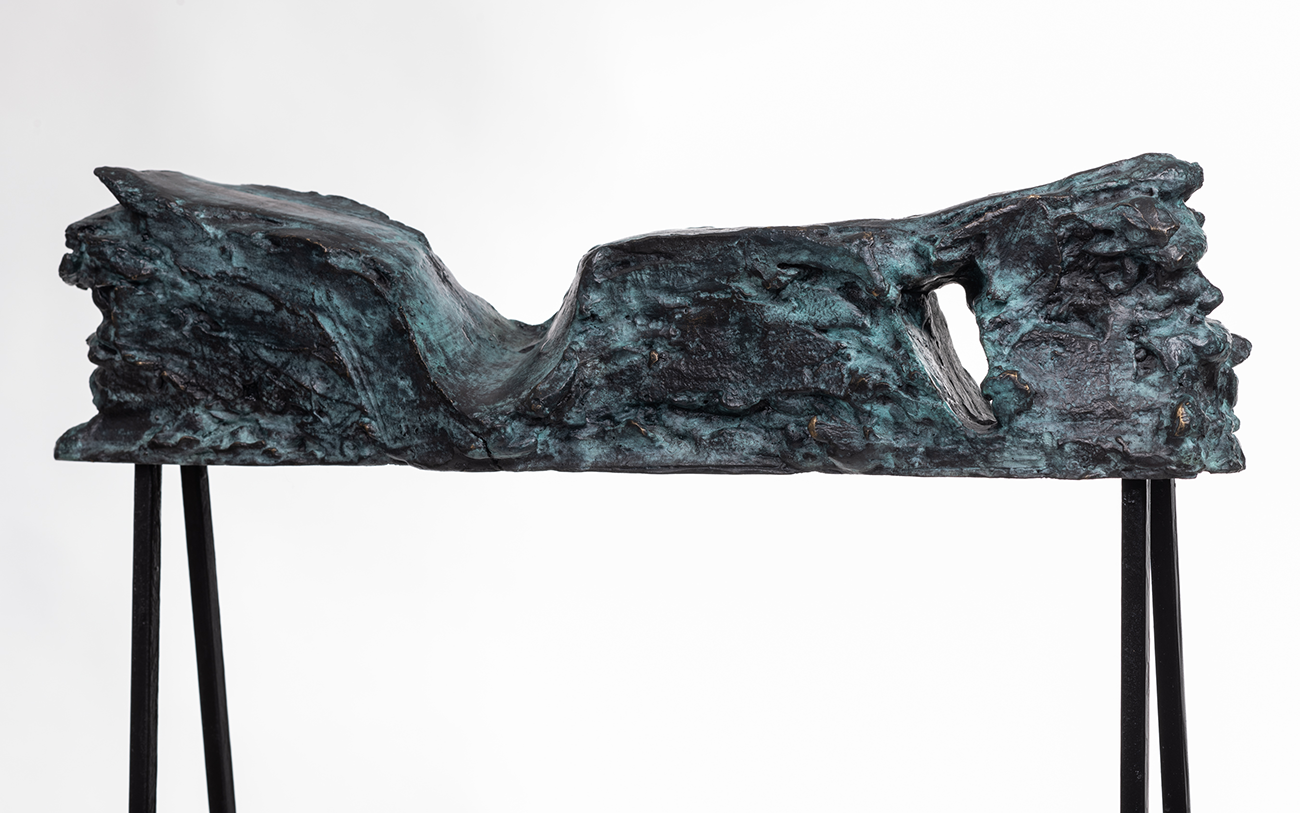
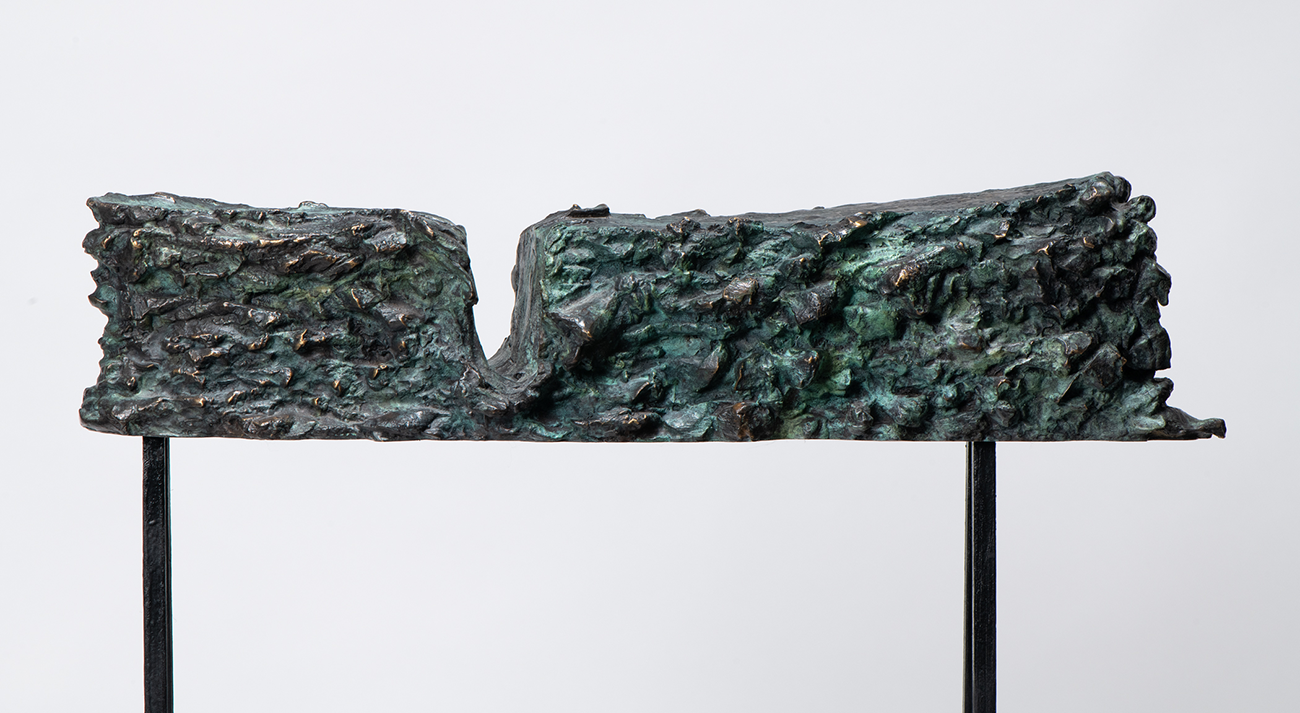
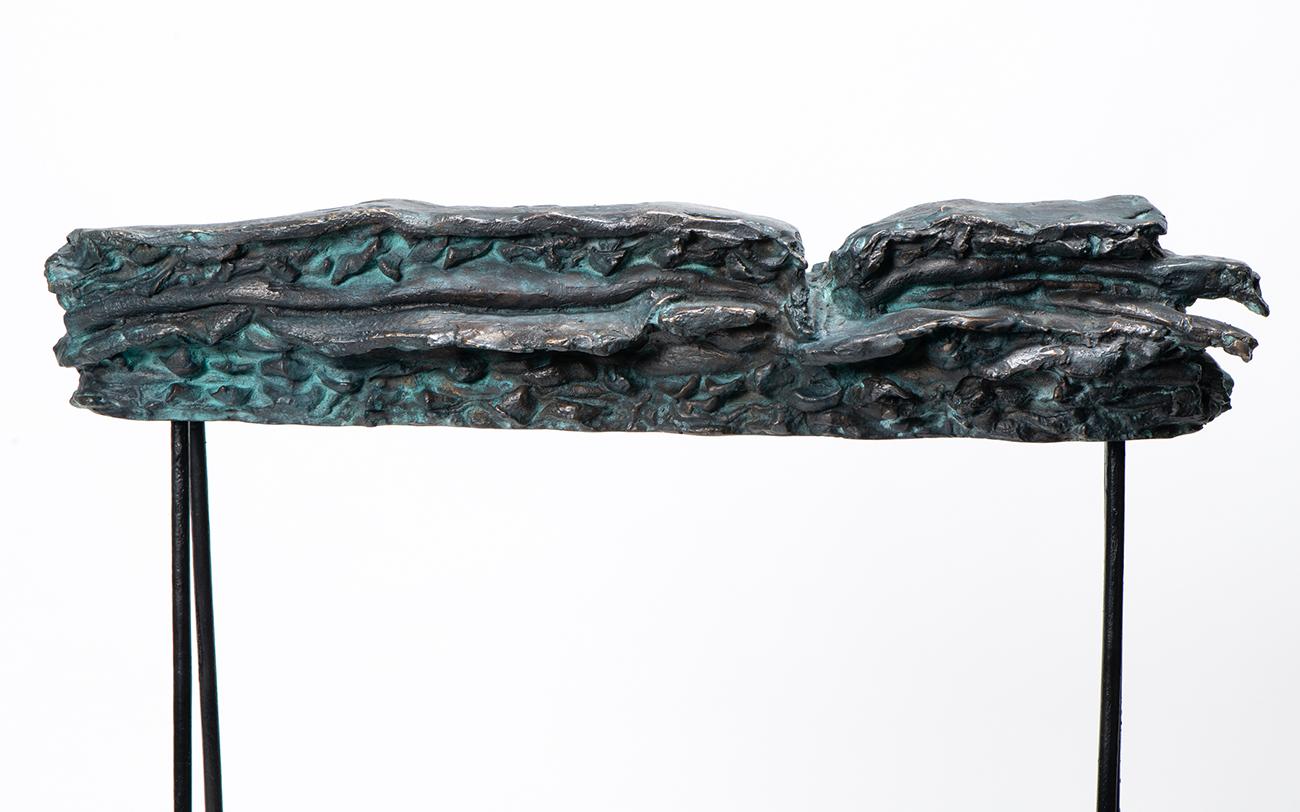
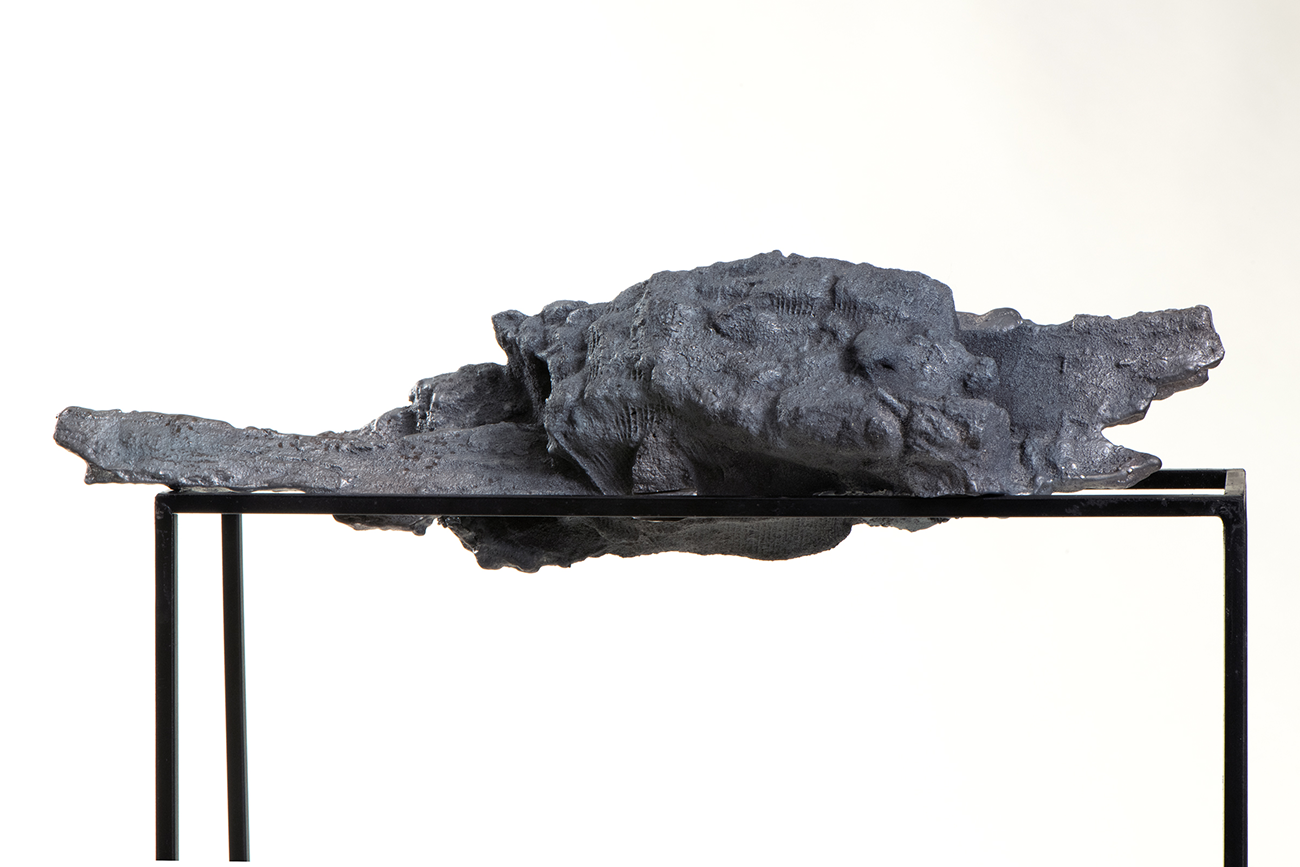
Tabula Rasa
In sculpture, the most precious thing for me is exactly what happens after the work, that is the sculpture is finished - the moment when it gains its freedom, so unrestrained and independent.
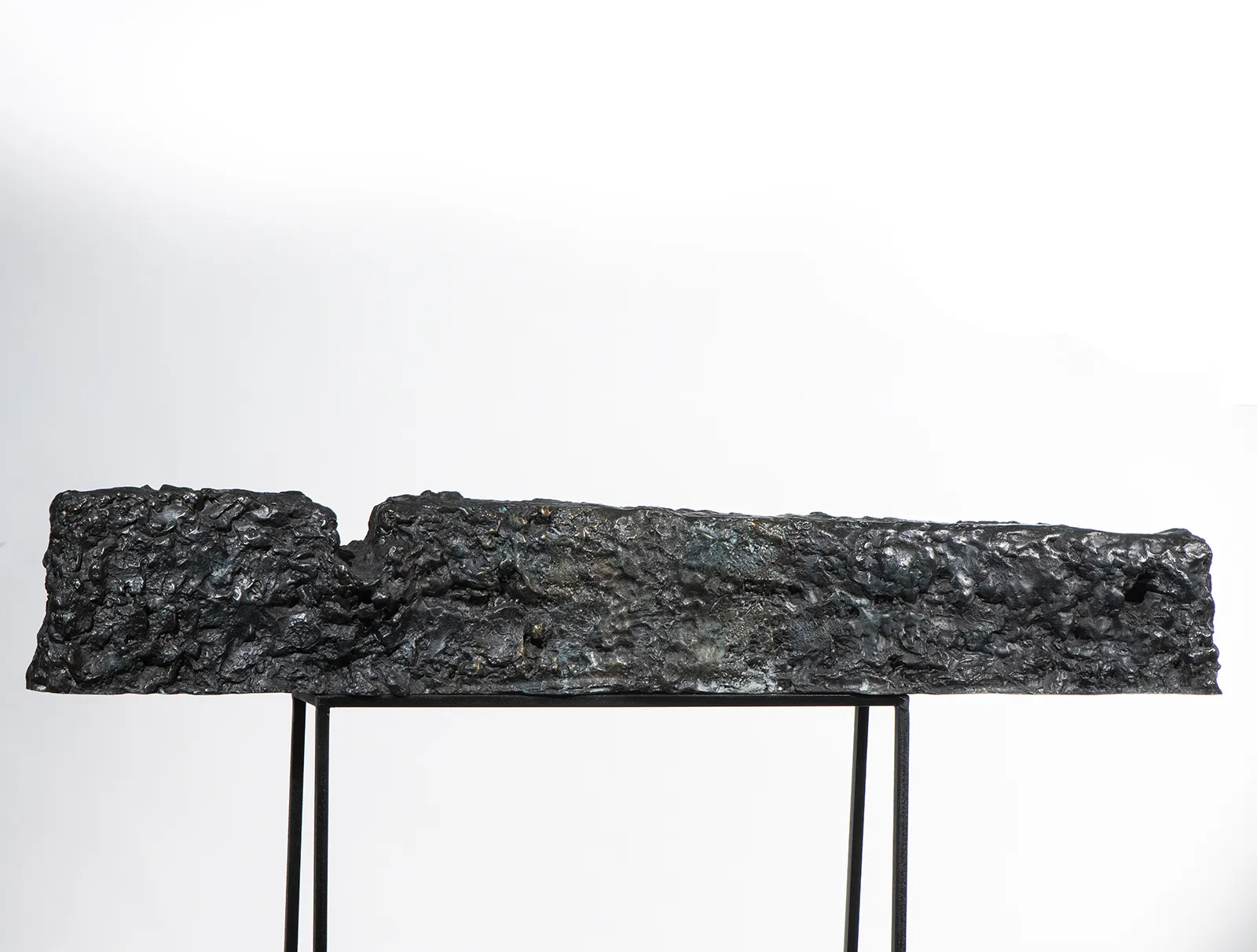
Tabula Rasa
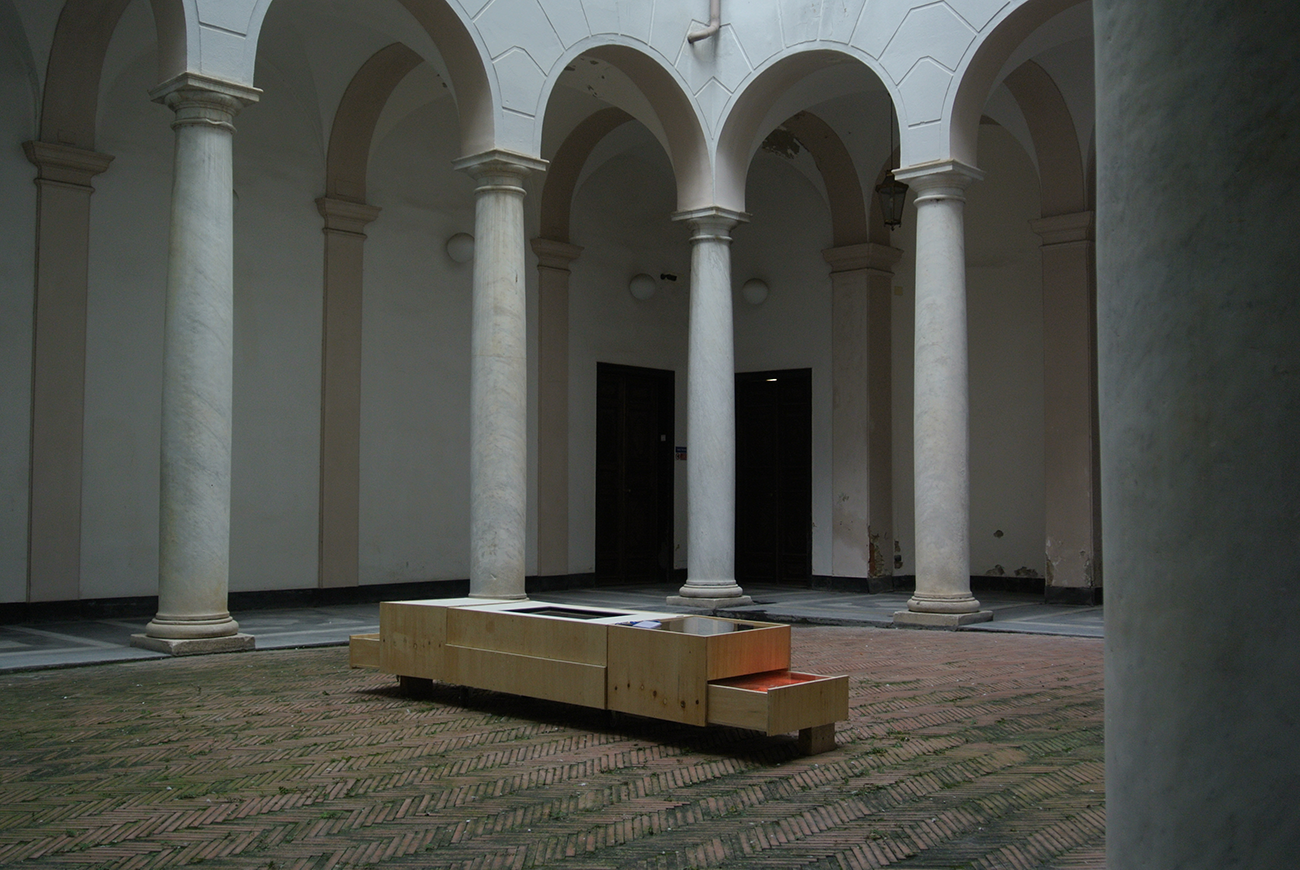
623x140x120 cm, terracotta
41. Simposium TERRA
Kikinda, Serbia, 2022TERRA –
EXPERIENCE OF SPACE AND MATERIALS
41st International Symposium Sculpture
Although the basic element of art consists of the same material from which social relations are woven, works of art possess properties that set them apart from other human activities. It is about social engagement. The Terra Symposium, led by its founder, academic sculptor Slobodan Kojić, MA, has been nurturing, defending, and supporting this relationship between micro- and macro-history and art for more than forty years, using the temporal and spatial interweaving of artifacts, locations, and audiences.
The artistic projects created at the Terra Symposium, from the very beginning, from year to year, have as their object the finding of plastic potential in the sculptural material - clay, in a monumental format and through the definition of certain themes or narratives that can be linked to them. Certainly, the nature of the process of creation of the artwork and the physical properties of the material determine the specificity of the work methods that need to be devised, related to, embraced and, finally, mastered.
Sculptural encounters and original sculptural achievements in the terracotta technique, created in conditions that require complete and dedicated engagement, quick thinking and realization, would not be possible without the people who, from the first to the last day of July, live this art together with the artists, day and night. Along with the founder, Professor Slobodan Kojić, the conservator-technician, amateur sculptor Milan Ramaji, the heart of the Terra Atelier, the person who literally built all the sculptures from the Terra collection with his own two hands, has been helping the artists from the very beginning. His comrade and right-hand man is his colleague Ljubiša Nikolić, also a conservator-technician, who has been passing on his knowledge and values of working with clay to students and all other participants at workshop gatherings for over a decade.
That is why the Terra Symposium is not only a form of affirmation and demonstration of clay, as a somewhat neglected material, but also an emanation of the unfettered imagination of almost three hundred artists - sculptors - who participated in its work. On the other hand, the spirit of the place, in the wider surrounding and context of the city of Kikinda, reflects the totality of ideas and efforts that are presented in this part of Vojvodina. This spirit can manifest itself in the “pure” nature (clay pit), and it can also occur where the human hand and human mind have left visible or hidden traces (the Park of sculptures of monumental formats in the courtyard of the Terra Atelier and the permanent exhibition in the unique Terra Museum).
During July 2022, six artists from Montenegro, Serbia, Germany, and France were guests at the 41st Terra International Symposium, and their creations in this convocation provide one of the possible answers to the question of what sculpture is today.
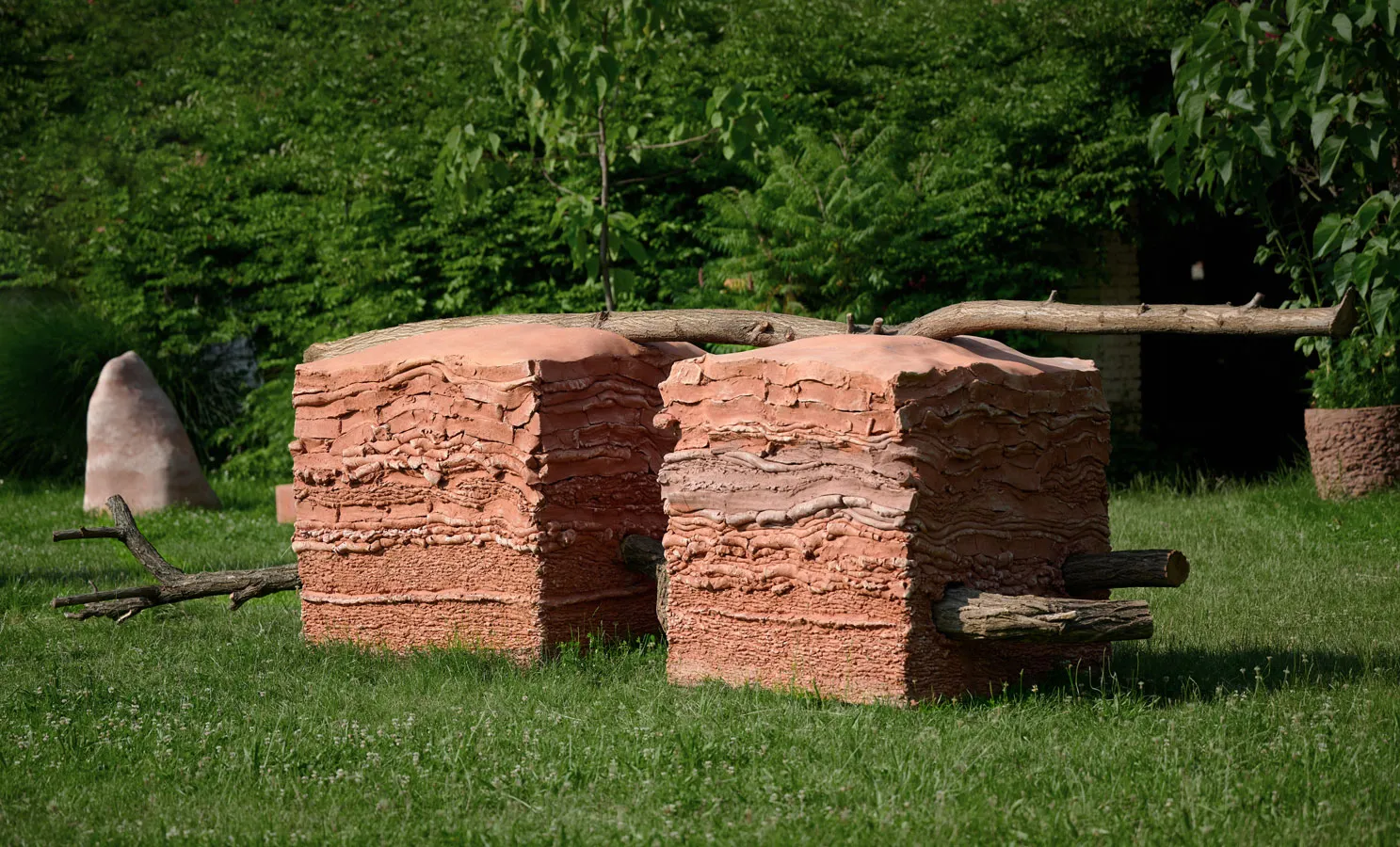
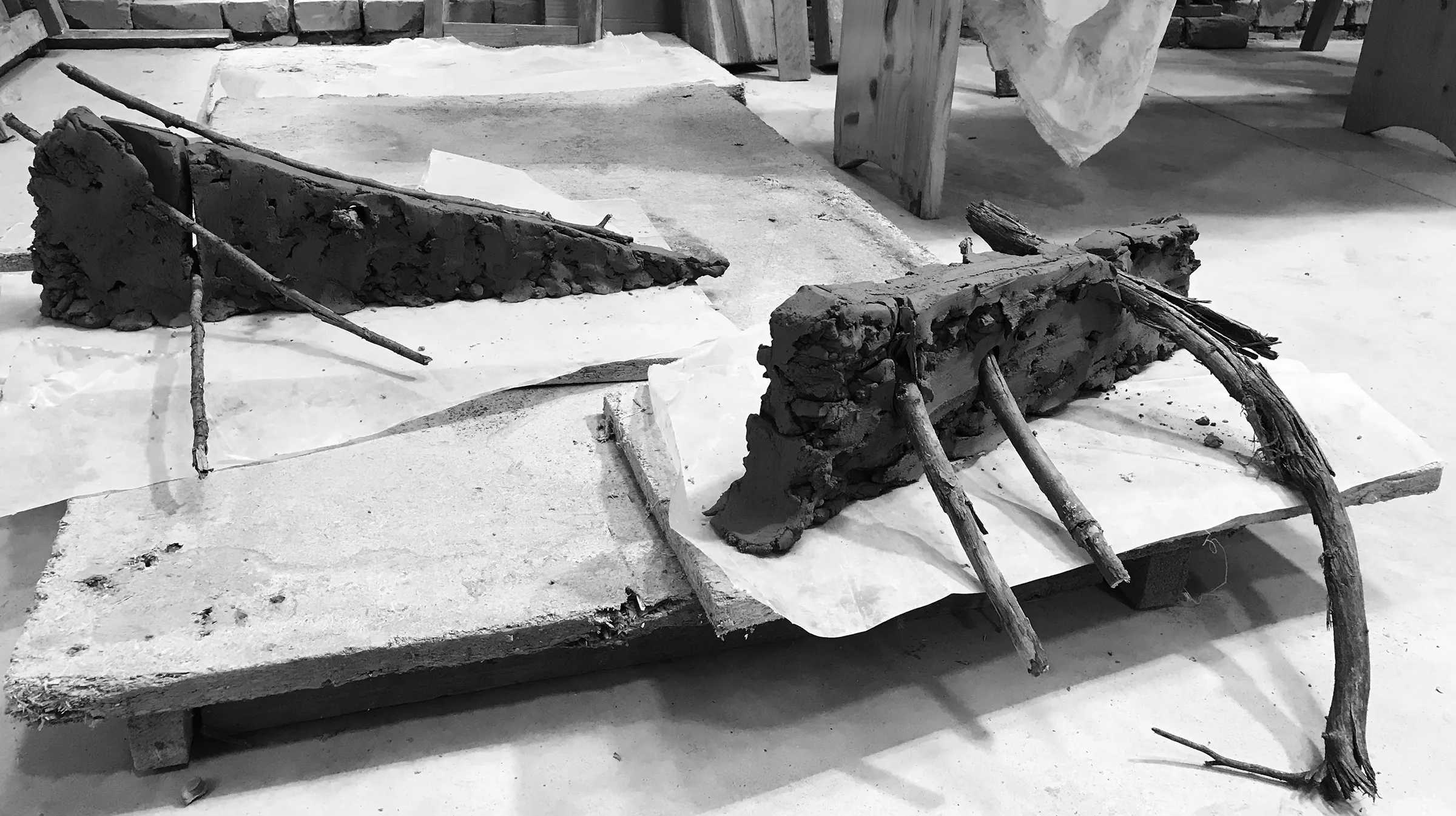
The artist from Montenegro, Ivana Radovanović, with her sculptural-spatial range, reaches for the very core of the monumental, layered form which, in connection with another natural material - wood - brings us to the point of the present moment, today and here. The artist’s questions are directed, as a rule, to the topos of her personal microcosm and the world to which she reacts. The artistic idea is sublimated primarily in the process of work, where the theme is positioned in relation to the concrete medium - sculpture in clay. The sculptural actions are in agreement with the measure of the author’s artistic truth, which manifests itself in the works and is transmitted to them with the help of emotions, but also with a designed spiritual action that can be shaped by a new reality, based on cause-and-effect relationships, naturally prone to degradation. These sculptural scenarios represent an open stage that reflects the ambivalent relationship between man, nature, and culture.
Verica Nemet
photo gallery